
A Seller Asked Me This Week...How Much Tax Do I Pay If I Sell My House in Florida?
Seller Asked Melinda Gunther August 31, 2026
Seller Asked Melinda Gunther August 31, 2026
A seller asked me this week how much tax they would have to pay if they sold their Florida home.
My first response was that we need to separate two things that homeowners often lump together: the taxes and expenses paid as part of the real estate transaction, and federal capital gains tax on the profit from the sale.
For many Naples homeowners, especially those who bought years ago, the second question is the bigger one.
Florida does not have an individual state income tax, so a Florida resident generally isn't paying Florida individual income tax on the capital gain from selling a home.
Federal capital gains tax is different. Whether you owe it, and how much, depends on the property, how you used it and the amount of taxable gain.
That last word matters: gain.
Selling a home for $2 million doesn't mean you have $2 million of taxable income.
If the property has been your primary residence, federal tax law provides a significant exclusion.
A qualifying homeowner can exclude up to $250,000 of gain (as of September 2026). For a married couple filing jointly, the exclusion can be as much as $500,000.
The general IRS rule requires that you owned the property and used it as your main home for at least two of the five years before the sale. There are additional rules and exceptions, so I would always have a seller confirm eligibility with a CPA rather than assume the exclusion applies.
Consider a married couple who purchased their primary residence in Naples for $1.5 million and later sells it for $1.9 million.
The $400,000 difference doesn't automatically create a federal capital gains tax bill. If they qualify for the full $500,000 exclusion, their gain may fall within it.
That example is intentionally simple because the actual calculation has another layer.
I see homeowners take their expected sale price, subtract what they originally paid and assume the difference is their taxable profit.
That's not necessarily how the IRS will calculate it.
Your adjusted basis can include certain costs associated with purchasing the property as well as qualifying capital improvements made during ownership. Certain selling expenses can also affect the calculation of your gain.
For a longtime Naples homeowner, this can be meaningful.
Maybe you replaced the roof, installed impact-resistant windows, added a pool, substantially remodeled the kitchen or made another major improvement to the property. Those old records and invoices are worth finding before you meet with your accountant.
Routine maintenance and repairs are treated differently from capital improvements, so don't try to make that determination yourself. Give the records to your CPA and let them decide what qualifies.
This is where the question becomes particularly relevant in Naples.
A large percentage of our properties are second homes. Someone may have purchased a Pelican Bay condominium for $600,000 many years ago and now be considering selling it for $1.5 million.
If that condo has always been a second home, the owner shouldn't assume the same $250,000 or $500,000 primary-residence exclusion applies.
The federal exclusion is tied to the sale of a qualifying main home.
With $900,000 of appreciation in that simple example, I would want the seller talking with a tax advisor early in the process. We can establish the likely market value of the property and estimate the costs associated with selling it. The CPA can then work through the owner's basis and likely tax exposure.
That information could affect the seller's decisions before we ever put the property on the market.
This is another situation I encounter in Florida.
A homeowner buys a Naples property as a winter residence. Years later, they sell their home up north and make Naples their primary residence.
The tax treatment can become more complicated because the IRS has rules governing periods of nonqualified use. Simply living in the property for the last two years doesn't necessarily mean every dollar of gain receives the primary-residence exclusion.
If your property has changed from a second home to a primary residence, or the other way around, tell your accountant. The history of how the property was used matters.
The same applies if you've rented the home.
A property that has generated rental income introduces other considerations, particularly if depreciation has been claimed.
This isn't an area where I think a Realtor should be estimating someone's tax liability.
My role is to provide the real estate numbers your tax advisor needs: probable selling price, anticipated selling expenses and relevant information about the property and transaction.
Your CPA can tell you what those numbers mean on your tax return.
For a property with substantial appreciation, I'd have that conversation before accepting an offer. Ideally, I'd have it before listing.
There is also a Florida tax paid in connection with transferring real estate that is paid by the Seller.
Florida imposes documentary stamp tax on deeds. In Collier County, the rate is currently $0.70 per $100 of consideration.
On a $2 million sale, that works out to $14,000.
This is different from capital gains tax. It's part of the transaction and is typically reflected on the closing statement.
It's one of the expenses we account for when estimating what a seller is likely to walk away with after closing.
A $3 million sale sounds like a $3 million transaction, but that's not the number a seller ultimately has available after closing.
There may be a mortgage to pay off. There are selling expenses and closing costs. Florida documentary stamp tax needs to be accounted for. Then there is the separate question of federal capital gains tax.
For someone who has owned a Naples property for 20 or 30 years, the tax piece can be substantial.. For another seller who qualifies for the primary-residence exclusion, it may be far less than expected.
I've seen homeowners become reluctant to sell once they realize they have a large capital gain.
I understand the reaction, but I wouldn't make a real estate decision based on the tax bill alone.
If a property has appreciated substantially, a tax liability can simply be a consequence of having made a successful investment.
The more useful question is what keeping the property accomplishes.
A second home that is rarely used still has carrying costs. A large single-family home may no longer suit the way its owners live. Someone may prefer to move into a condominium, be closer to family or put the equity to work somewhere else.
Taxes belong in that decision. They shouldn't make the decision by themselves.
If you've owned your Naples property for a long time, use it as a second home, have rented it, or have seen substantial appreciation, talk with your CPA before selling.
Gather your purchase documents and records of major capital improvements. We can establish a realistic selling range and estimate the expenses associated with the transaction. Your accountant can use that information to calculate your adjusted basis and advise you on the federal tax consequences.
I'd much rather have a seller understand those numbers before we list than discover an unexpected tax issue after we've negotiated a sale.
The sale price gets most of the attention in real estate. For the seller, the more useful number is what remains after the transaction is complete.
Have a question about selling your home in Pelican Bay, Park Shore, Old Naples or another Naples luxury community? It might become next week's “A Seller Asked Me This Week...”
Stay up to date on the latest real estate trends.

Miracle Mile
In this coastal paradise, a select few neighborhoods offer the quintessence of luxury with full-service beach clubs

Beach House
Pelican Bay's most exclusive neighborhood - Bay Colony
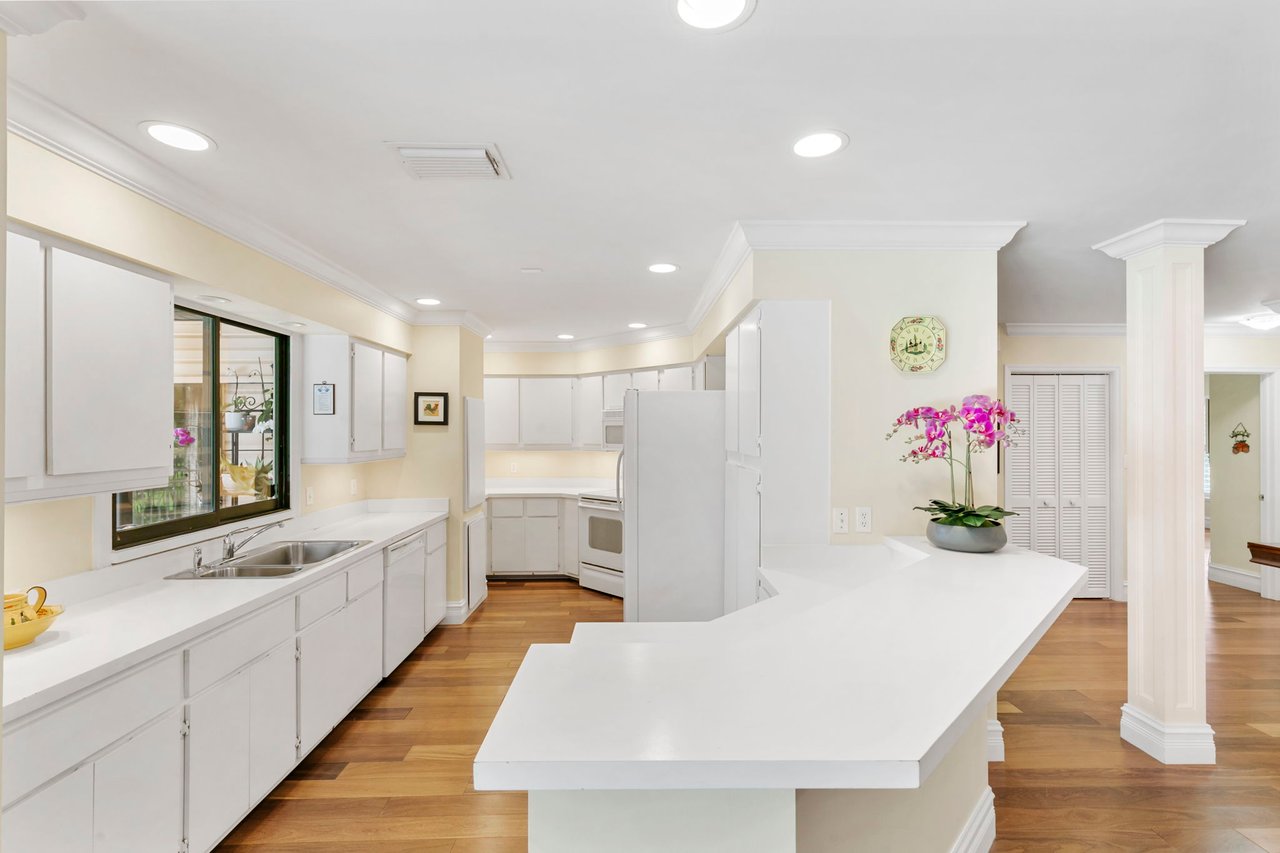
Seller Asked
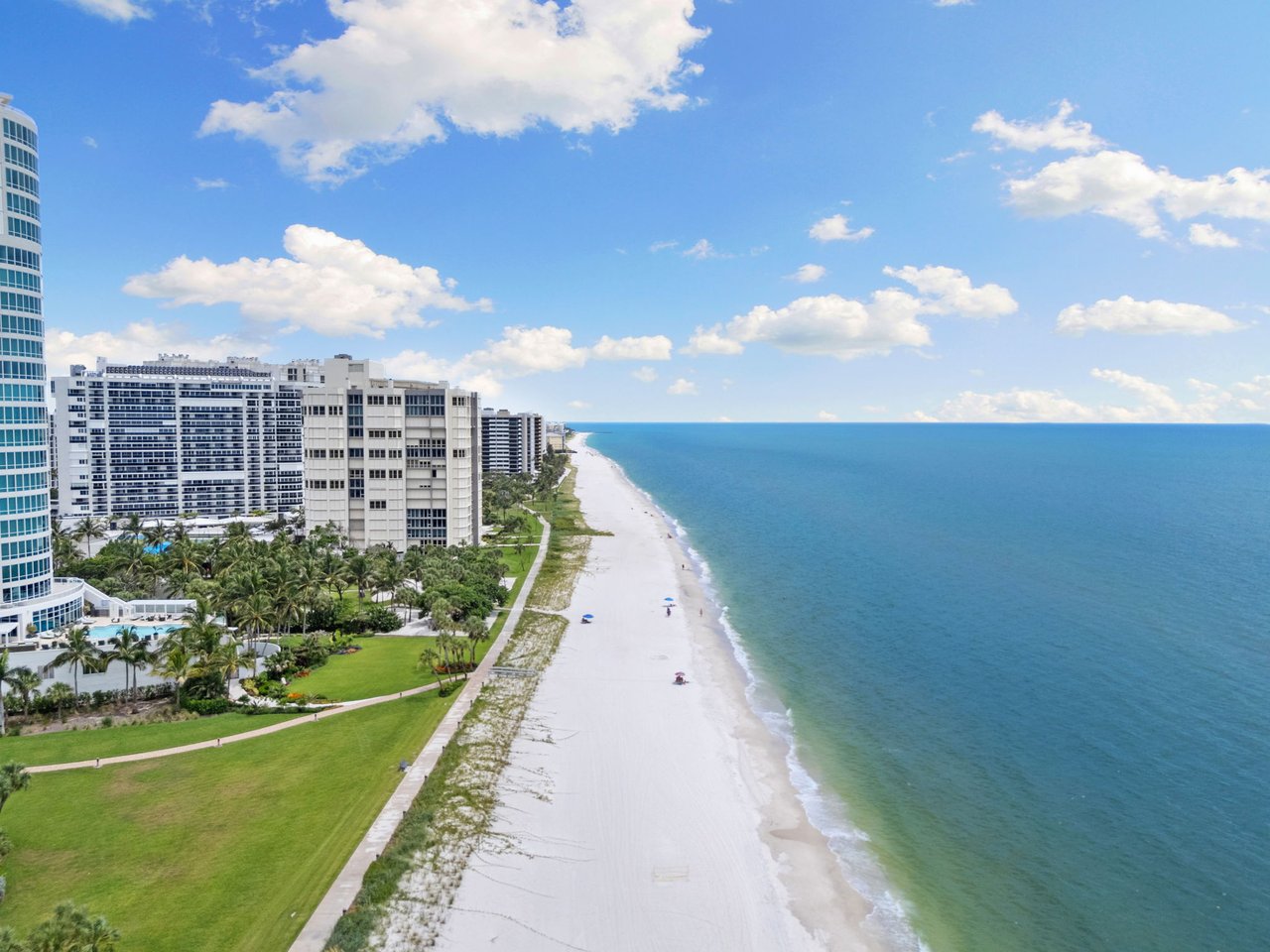
Coquina Sands

Seller Asked

Pelican Bay

Pet Friendly
The most exclusive Pelican Bay building with Gulf views and every luxury

Old Naples
Old Naples new construction homes and condos

Old Naples
Reach out to Melinda Gunther for expert real estate services. Buy, sell, or rent properties with confidence. Contact her today!