Why Do Naples Buyers Hesitate, Even When They Like My House?
Seller Asked Melinda Gunther September 22, 2026
Seller Asked Melinda Gunther September 22, 2026
A seller asked me this week why buyers keep saying nice things about their home and then doing nothing.
The house is beautifully presented. The photographs are excellent. It's spotless for every showing. Buyers can get in easily, even on short notice. The comments during showings are positive.
Then they leave. No second showing. No offer. Sometimes, no meaningful feedback at all.
For a seller, that's incredibly frustrating. If buyers like the house, why aren't they buying it?
Usually, there isn't one obvious answer.
A buyer can genuinely like your home and still decide not to buy it.
This is particularly common in the Naples market. Many buyers aren't purchasing because they have to move. They're looking for a second or third home, and there may be no deadline attached to the decision.
They can afford to wait.
That changes buyer behavior considerably.
A family relocating for a job needs somewhere to live. A buyer looking for a winter home in Naples can tour a beautiful property, compliment the kitchen, love the pool and still decide to see what comes on the market next week.
There has to be enough about the property to move them from “I like it” to “I don't want someone else to have it.”
That is a much higher bar.
Sellers naturally evaluate their home against other properties currently listed or recently sold.
Buyers don't always think that way.
They may be comparing your Pelican Bay home with a Park Shore condominium. They may be deciding between renovating something in the Moorings and buying a move-in-ready home in Old Naples. A Grey Oaks buyer might also be considering Mediterra.
Sometimes they're comparing your home to something that isn't even for sale yet.
They've told themselves they'll buy when they find the right combination of location, view, floor plan, condition and price. Until then, waiting is an option.
That's one reason good showing feedback doesn't always lead to an offer.
Your home may have been the best house they saw that afternoon. They still haven't decided it's the house they want to own.
A buyer can admire a home and still be mentally keeping track of the compromises.
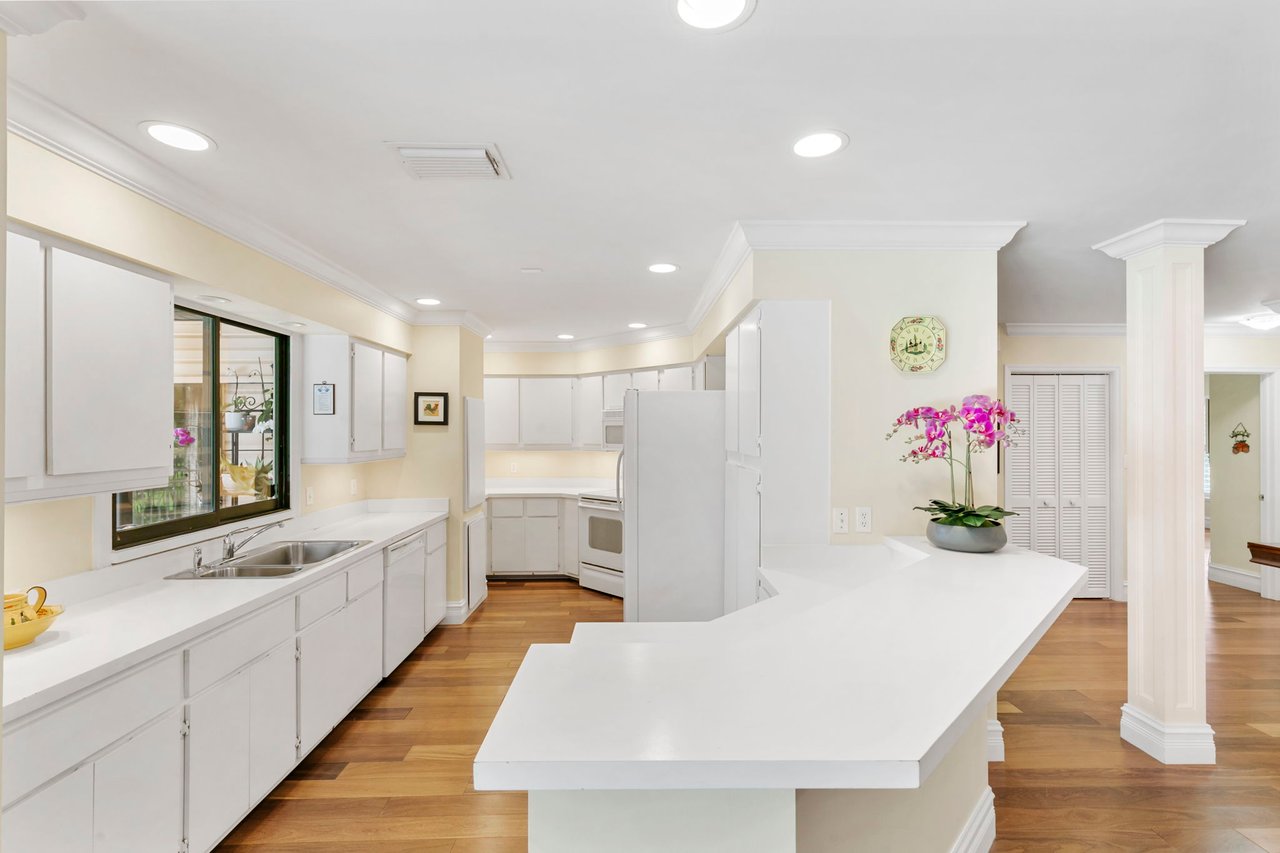
The primary bedroom is upstairs.The pool doesn't get enough sun. They wanted three garage spaces and the home has two. The view is attractive, but the house they saw yesterday had a wider lake view. The kitchen is beautifully done, but not in a style they would have chosen.
None of those things necessarily makes the home undesirable. The problem is that luxury buyers often have the financial ability to wait for a property that asks them to compromise less.
This is also why reducing the price doesn't solve every problem.
Price can compensate for some objections. It can't move the primary bedroom downstairs or change the direction of the view.
We need to understand which objections are about value and which are about fit.
A showing feels significant to a seller because someone is walking through their home. But it may be much earlier in the process for the buyer.
Some buyers tour homes partly to educate themselves. They are learning what $2 million buys in one neighborhood compared with another. They're figuring out whether they prefer a villa or condominium, Gulf access or golf, newer construction or an established neighborhood.
A buyer may need to see ten homes before understanding what matters most to them.
Your home may be number three.
That buyer's positive reaction can be completely sincere. They simply aren't ready to make a decision.
This is one reason I pay attention to patterns over individual showings.
One buyer's hesitation doesn't tell us very much.
Ten buyers hesitating over the same issue tells us something.
Sellers understandably want detailed feedback after every showing. Sometimes we get it. Often we don't.
Buyers may be reluctant to criticize someone's home. Their agent may simply say, “They liked it, but they're continuing to look.”
That isn't very satisfying, but it still gives us information.
If we're consistently getting showings, buyers are telling us that the photographs, location, description and asking price are compelling enough to get them through the door.
If they consistently leave without taking the next step, we need to look at what happens once they're inside.
Maybe the online presentation creates an expectation the home doesn't quite meet. Maybe buyers see the value but prefer another property. Maybe there is a recurring objection. Or perhaps the home is priced close enough to generate interest, but not compellingly enough to generate action.
Those are different problems, and I wouldn't recommend the same response to each one.
This is where pricing inevitably enters the conversation. A beautiful home can be well presented and still be priced slightly beyond where buyers perceive the value. The difficult part is that the price may not be wildly wrong. If it were, we probably wouldn't be getting showings. The home can sit in an uncomfortable middle ground where buyers are interested enough to see it but don't feel enough urgency to write an offer.
I've written before about buyers quietly grading the homes they tour. They're comparing the view, condition, floor plan, location and overall experience. Price is part of that mental ranking.
A buyer may think your home is wonderful at $2.5 million but not feel compelled by it at $2.8 million. They don't necessarily make an offer at $2.5 million. Sometimes they simply wait.
Sellers often assume buyers will negotiate if they think the price is high. Many don't.
This is one reason I care so much about exposure and timing, particularly in our coastal Naples communities.
A buyer behaves differently when they believe they're the only person considering a home.
They have time. They can think about it. Maybe the seller will reduce the price. Maybe something better will appear. Activity changes that psychology.
If buyers see other people arriving for showings, hear that someone has returned for a second look or know there has been steady interest, waiting feels different.
That doesn't mean we manufacture urgency. We don't need to. We want enough qualified buyers seeing the property that natural urgency has an opportunity to develop.
I wouldn't change strategy because three buyers toured a home and didn't make an offer. I would look for a pattern.
Are we getting enough showings for the neighborhood and price range? Are buyers staying a meaningful amount of time? Are the same objections appearing repeatedly? Are competing properties selling while ours remains available? Has something new come to market that changed the comparison?
Most importantly, I'd look at whether buyers are returning. First showings tell us we're interesting. Second showings tell us we're being considered. Offers tell us we've created enough value, desire and urgency for someone to act.
If we're getting plenty of first showings but consistently nothing after that, I wouldn't blame the photography, cleanliness or accessibility. Those things did their job. They got the buyer inside.
Now we have to understand why the property isn't making the next cut. Sometimes the answer is price. Sometimes it's a feature we can't change. Sometimes we simply haven't met the right buyer yet. The skill is knowing the difference.
A seller doesn't need every buyer who walks through the door to love the house. We need one buyer to reach a very different conclusion:
“If we let this one go, I think we're going to regret it.”
That's the moment a buyer stops hesitating.
Stay up to date on the latest real estate trends.

Miracle Mile
In this coastal paradise, a select few neighborhoods offer the quintessence of luxury with full-service beach clubs

Beach House
Pelican Bay's most exclusive neighborhood - Bay Colony
Seller Asked
Coquina Sands
Seller Asked

Pelican Bay
Pet Friendly
The most exclusive Pelican Bay building with Gulf views and every luxury
Old Naples
Old Naples new construction homes and condos
Old Naples
Reach out to Melinda Gunther for expert real estate services. Buy, sell, or rent properties with confidence. Contact her today!