A Seller Asked me This Week...Why Did My Neighbor's Home Sell for More?
Seller Asked Melinda Gunther August 10, 2026
Seller Asked Melinda Gunther August 10, 2026
One of the most common conversations I have with sellers begins with a simple question.
"My neighbor's home sold for more than the price you're recommending. Why?"
It's a fair question.
If two homes are in the same neighborhood and have similar square footage, it seems logical that they should have similar values. But in the Naples luxury market, buyers don't compare addresses. They compare experiences.
That's why two homes just a few doors apart can sell for very different prices.
When I'm preparing a pricing recommendation, I certainly look at recent sales in your neighborhood. Comparable sales are one of the most important tools we have. But they're only the starting point. The more important question is this:
If a buyer could choose between your home and the one that sold last month, which one would they choose today?
That is the question the market answers every day. Sometimes the answer favors your home, sometimes it favors your neighbor's. My job is to understand why.
It's easy to assume that every home in a community has roughly the same value. After all, they're often built by the same developer and may even have the same floor plan. But buyers notice details that dramatically influence what they're willing to pay.
For example:
Those differences aren't always obvious to homeowners because you've lived with them for years. To buyers, they're often the deciding factor.
Although every home is unique, I find that three factors explain most pricing differences.
In Naples, the view is often one of the largest drivers of value.
A wide lake view.
Long golf course vistas.
Sunsets over the Gulf.
Privacy.
Natural preserves.
Buyers imagine waking up to that view every morning. It's difficult to assign a dollar amount to a beautiful setting, but buyers do it every day. A home with a premium view may command significantly more than an otherwise similar property.
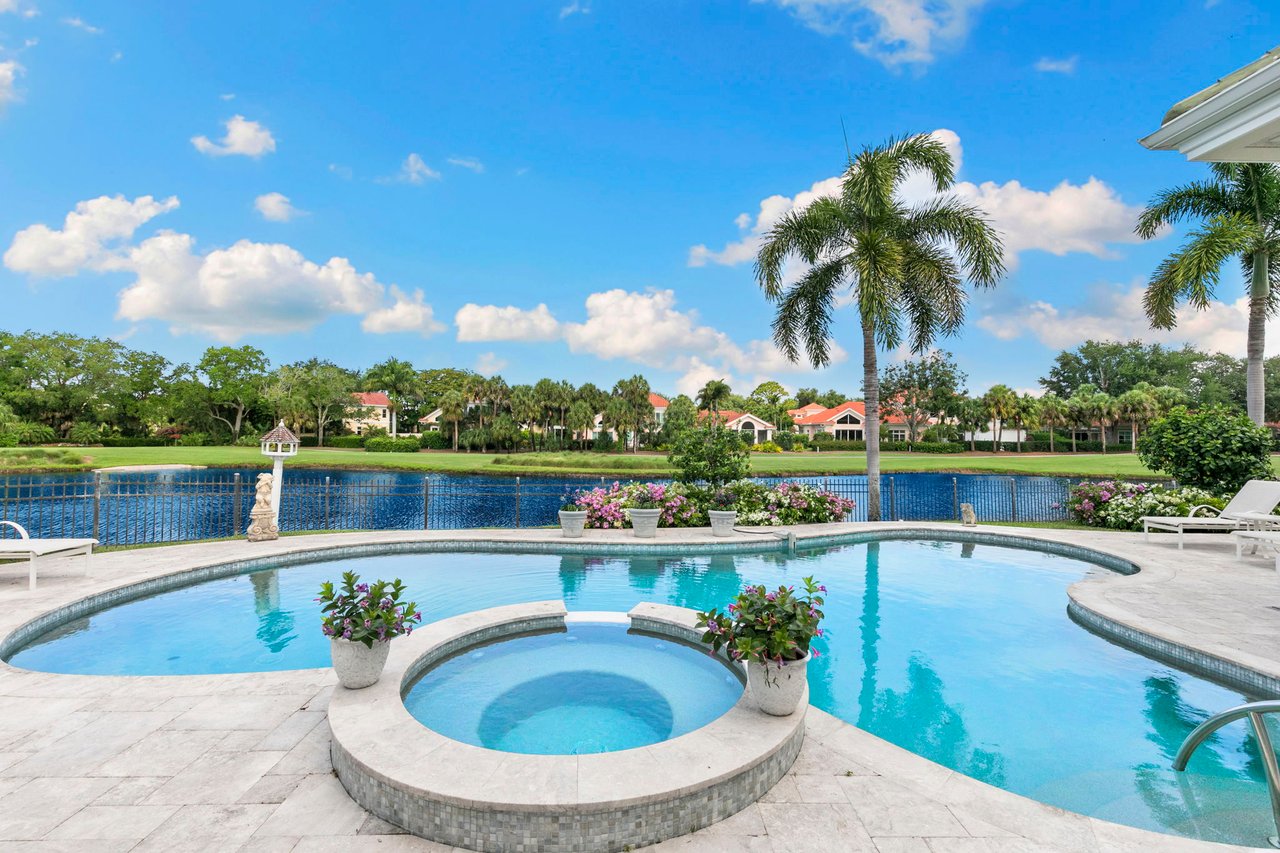
A perfect example is our listing at 6991 Greentree Drive in Pelican Bay. The house down the street sold for significantly less earlier this year. But that house had a tree line behind it - no view. 6991 Greentree Drive has a wide golf course and lake view. When the developer was selling these lots, this and one other had the highest lot premiums because of their view. These details drive value and price.
Luxury buyers increasingly value convenience. Many have busy professional lives or are purchasing a second home. They're willing to pay more for a home they can enjoy immediately.
Updated kitchens.
Modern bathrooms.
Impact windows and doors.
Newer roofs.
Fresh flooring.
Current finishes.
None of these improvements guarantee a dollar-for-dollar return, but together they change how buyers perceive the home. A buyer who sees fewer future projects often sees greater value.
Perhaps the most overlooked factor is timing. Your neighbor may have sold six months ago when there were fewer competing homes. Or perhaps they listed just before several new listings entered the market. Real estate values don't exist in a vacuum. Every home is priced against today's competition, not yesterday's. That's why using last year's sale as today's pricing strategy can sometimes lead sellers in the wrong direction. It's definitely a metric to be considered but today's market conditions also weigh in as a contributing factor in price.
One of the biggest changes I've seen over the last several years is how buyers evaluate functionality. A home with the same square footage but a more preferred layout often commands a premium.
An additional office.
A spacious family room.
A first-floor primary suite.
A flexible bonus room.
An expanded outdoor living area.
These aren't simply features. They change how a family imagines living in the home. Buyers rarely say, "I'm paying more because this house has 300 extra square feet." They say, "This house fits our lifestyle better." That's a very different conversation.
Sometimes sellers focus on the highest sale in the neighborhood. I understand why. Everyone naturally hopes their home will achieve a similar result. But my job isn't to find the highest sale, it's to determine whether your home offers the same value that buyers saw in that property. Sometimes it does. Sometimes it offers different strengths. Sometimes it has limitations that buyers consistently notice. Ignoring those differences doesn't make them disappear. Understanding them allows us to position your home intelligently from the beginning.
One of the most valuable things I do for sellers is help them see their home the way a buyer will. That isn't always easy. As homeowners, we see birthdays, holidays, family dinners, and years of memories. Buyers don't.
They see the view.
The floor plan.
The condition.
The natural light.
The privacy.
The location within the community.
The updates they'll need to make.
And they compare all of those things with every other home they've toured. They're quietly building a mental ranking of every property they visit. The homes that rise to the top of that list are the ones that receive the strongest offers.
When a seller asks why their neighbor's home sold for more, the answer is rarely just one thing. It is usually a combination of view, condition, floor plan, location within the community, timing, and how buyers perceive the home compared to every other option available. Pricing isn't about matching your neighbor's sale. It's about looking beyond the data to understand how today's buyers are evaluating your home.
That's why I spend far more time studying buyer behavior than simply studying statistics. The numbers tell us where the market has been. Buyers tell us where it's going.
Have a question about selling your home in Pelican Bay, Park Shore, Old Naples, or another Naples luxury community? It might become next week's "A Seller Asked Me This Week..." Reach out at [email protected]
Stay up to date on the latest real estate trends.
Old Naples
Modern Architecture has Become More Prevalent in our Beachside Town
Miracle Mile
In this coastal paradise, a select few neighborhoods offer the quintessence of luxury with full-service beach clubs

Beach House
Pelican Bay's most exclusive neighborhood - Bay Colony
Seller Asked
Coquina Sands
Seller Asked

Pelican Bay
Pet Friendly
The most exclusive Pelican Bay building with Gulf views and every luxury
Old Naples
Old Naples new construction homes and condos
Reach out to Melinda Gunther for expert real estate services. Buy, sell, or rent properties with confidence. Contact her today!